
Prevent Water Heater Breakdowns with Annual Inspections in Olive Branch MS
===Hot water issues don't usually start with a full breakdown — they build slowly. A slight drop in pressure, inconsistent temperatures, or faint noises are often early warnings. In a place like Olive Branch, where seasonal temperature swings and mineral-heavy water are common, water heaters work harder than most homeowners realize. Preventing breakdowns isn't complicated, but it does require consistency.
Why Water Heaters Fail in Olive Branch
Several local factors contribute to premature wear:
- Hard water buildup: Minerals like calcium and magnesium settle inside the tank, creating sediment
- Seasonal demand spikes: Colder months force your system to work harder
- Humidity exposure: Moist environments can accelerate corrosion
- Aging infrastructure: Many homes rely on older units nearing the end of their lifespan
Over time, these conditions reduce efficiency, strain components, and lead to failure if left unchecked.
1. Flush Your Tank Annually
Sediment buildup is one of the leading causes of water heater failure. As minerals settle at the bottom of the tank, they create a barrier between the burner and the water, forcing the system to overwork.
What happens if you skip this:
- Reduced heating efficiency
- Rumbling or popping sounds
- Overheating and tank damage
Flushing your tank once a year clears out sediment and helps your unit run more efficiently. In Olive Branch, where hard water is common, this step is especially important.
2. Check the Anode Rod
The anode rod is a critical but often overlooked component. It’s designed to attract corrosive elements in the water, protecting the tank itself from rust.
When it wears out:
- The tank becomes vulnerable to corrosion
- Rust forms inside the system
- Leaks eventually develop
Most anode rods should be checked every 2–3 years and replaced as needed. Ignoring it can shorten your water heater’s lifespan significantly.
3. Monitor Water Pressure
High water pressure might feel great in the shower, but it puts stress on your entire plumbing system—including your water heater.
Ideal range: 40–60 PSI
Excess pressure can:
- Damage internal components
- Increase the risk of leaks
- Shorten the life of your tank
If your pressure is too high, a pressure-reducing valve can help regulate it and protect your system.
4. Inspect for Early Warning Signs
Most breakdowns give you signals before they happen. Catching these early can save you from a full system failure.
Watch for:
- Inconsistent water temperature
- Discolored or rusty water
- Strange noises (popping, banging)
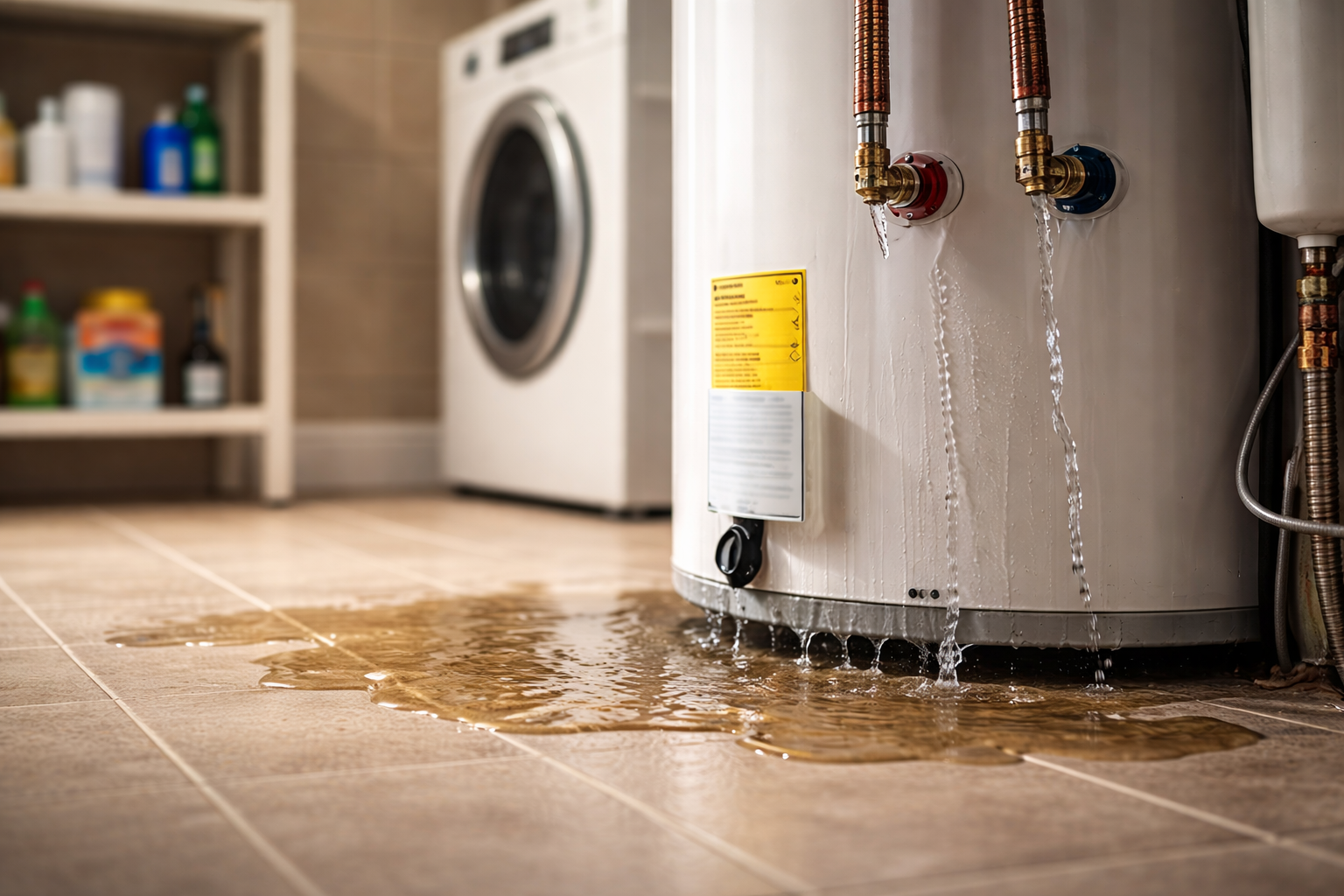
- Water pooling near the base of the unit
If you notice any of these, it’s time to have your system checked before the issue escalates.
5. Adjust the Temperature Setting
Setting your water heater too high increases wear and tear on the system.
Recommended setting: 120°F
Higher temperatures:
- Accelerate mineral buildup
- Increase energy usage
- Put more strain on heating elements
Keeping your unit at an efficient temperature helps extend its lifespan while maintaining consistent performance.
6. Insulate Pipes and Tank
Even in Mississippi, colder months can impact your water heater’s efficiency. Heat loss forces the system to work harder to maintain temperature.
Benefits of insulation:
- Reduces energy consumption
- Maintains consistent water temperature
- Lowers strain on the unit
Insulating exposed pipes and the tank itself is a simple, low-cost way to improve performance.
7. Schedule Professional Maintenance
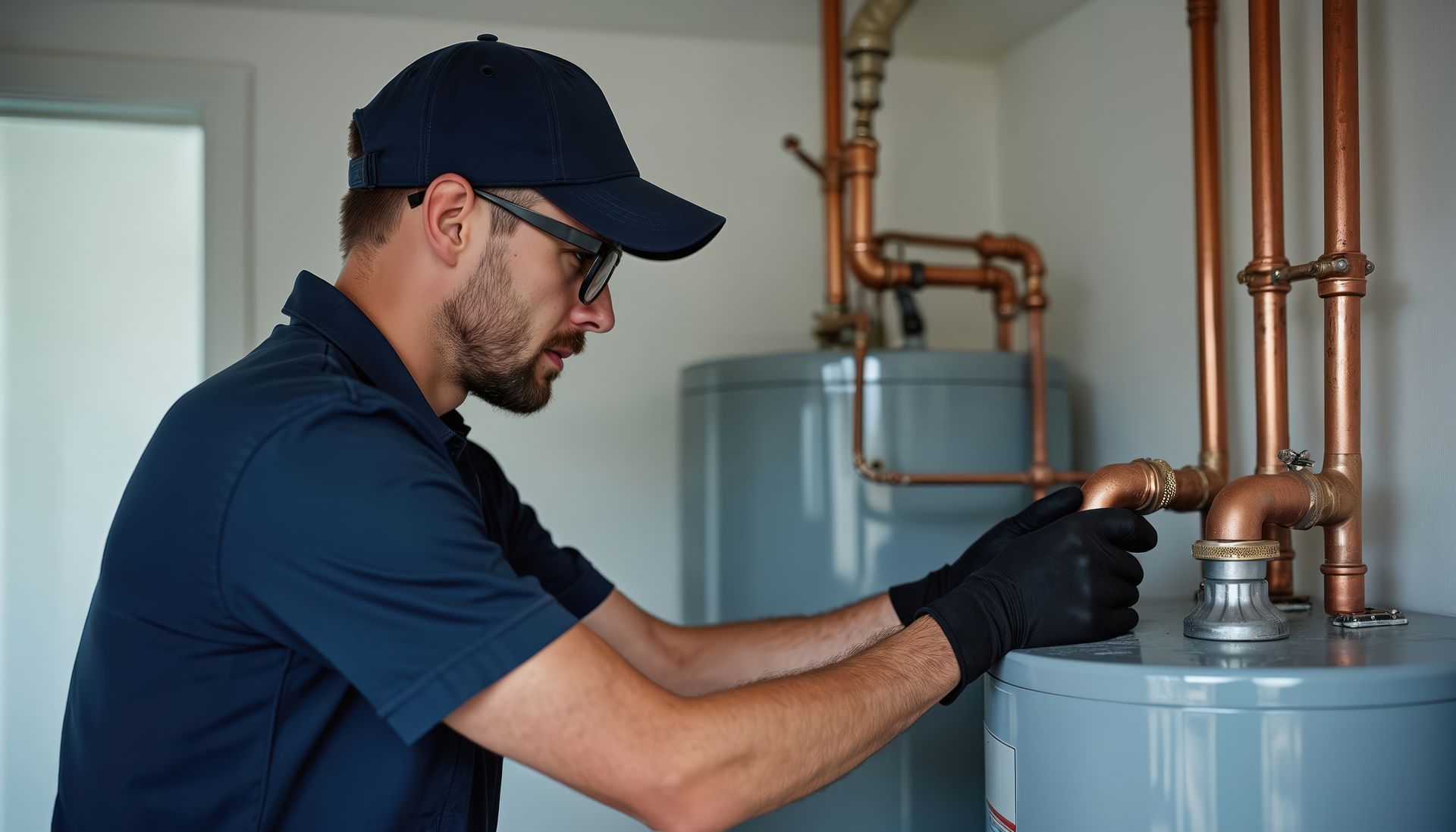
Routine inspections catch issues you might not see. A plumbing professional can:
- Test heating elements
- Check for gas or electrical issues
- Inspect valves and connections
- Identify wear before failure
Annual maintenance is one of the most effective ways to prevent unexpected breakdowns.
8. Know When It’s Time to Replace
Even with proper maintenance, water heaters don’t last forever.
Typical lifespan:
- Tank water heater: 8–12 years
- Tankless system: 15–20 years
If your unit is approaching the end of its lifespan and showing signs of wear, replacement may be more cost-effective than repeated repairs.
Final Takeaway
Don't Wait for a Breakdown to Think About Your Water Heater
Preventing water heater breakdowns in Olive Branch comes down to consistent maintenance and early action. Flushing the tank, checking key components, and monitoring performance can extend the life of your system and reduce the risk of unexpected failure.
Ignoring small issues is what turns
manageable maintenance into expensive repairs. Staying proactive keeps your system reliable—and your hot water consistent—year-round.
Call Olive Branch Plumbing Co today at
662-443-4375 for all of your plumbing needs