
How Small Plumbing Leaks Can Cause Major Damage in Olive Branch
The Small Leak You Can't See May Be the One Costing You the Most
If you live in Olive Branch, a small plumbing leak might seem like a minor inconvenience, but it can quickly turn into a costly repair if left untreated. Even a slow drip hidden behind a wall, under a sink, or beneath your home's foundation can cause significant water damage over time.
Many homeowners assume that if a leak isn't flooding the house, it isn't urgent. Unfortunately, that's often when the most expensive damage occurs.
This guide explains why small plumbing leaks should never be ignored, the damage they can cause, and what homeowners in Olive Branch should do if they suspect a leak is hiding somewhere in their plumbing system.
The Hidden Costs of a Slow Water Leak
One of the biggest problems with small plumbing leaks is that they often develop out of sight.
A leaking pipe inside a wall or under a slab may continue dripping for weeks or even months before obvious signs appear.
During that time, water can slowly damage:
- Drywall
- Flooring
- Cabinets
- Insulation
- Wooden framing
- Foundations
What starts as a simple repair can eventually require extensive restoration work if the leak isn't addressed early.
Why Minor Leaks Become Major Problems
Many homeowners don't realize how much water a small leak can waste.
A slow drip may seem insignificant, but over time it can release hundreds or even thousands of gallons of water into your home.
That moisture creates ideal conditions for:
- Mold growth
- Wood rot
- Structural deterioration
- Water staining
- Increased utility bills
The longer the leak continues, the greater the risk of widespread damage and expensive repairs.
Common Warning Signs of a Plumbing Leak
Not all leaks are easy to spot.
Watch for these common warning signs around your Olive Branch home:
Unexpected Increases in Water Bills
If your water usage habits haven't changed but your monthly bill suddenly rises, a hidden leak could be the cause.
Water Stains on Walls or Ceilings
Discoloration, bubbling paint, or soft drywall often indicate moisture accumulating behind surfaces.
Musty Odors
Persistent damp or musty smells may signal hidden water damage and mold growth.
Low Water Pressure
A damaged or leaking pipe can reduce water pressure throughout portions of the home.
Wet Spots or Soft Flooring
Warped flooring, damp carpet, or soft spots can indicate water leaking below the surface.
What Homeowners Should Do If They Suspect a Leak
If you notice any signs of a plumbing leak, taking action quickly can help minimize damage.
1. Monitor Your Water Meter
Turn off all water fixtures inside the home and check your water meter. If the meter continues moving, there may be a leak somewhere in your plumbing system.
2. Inspect Visible Plumbing
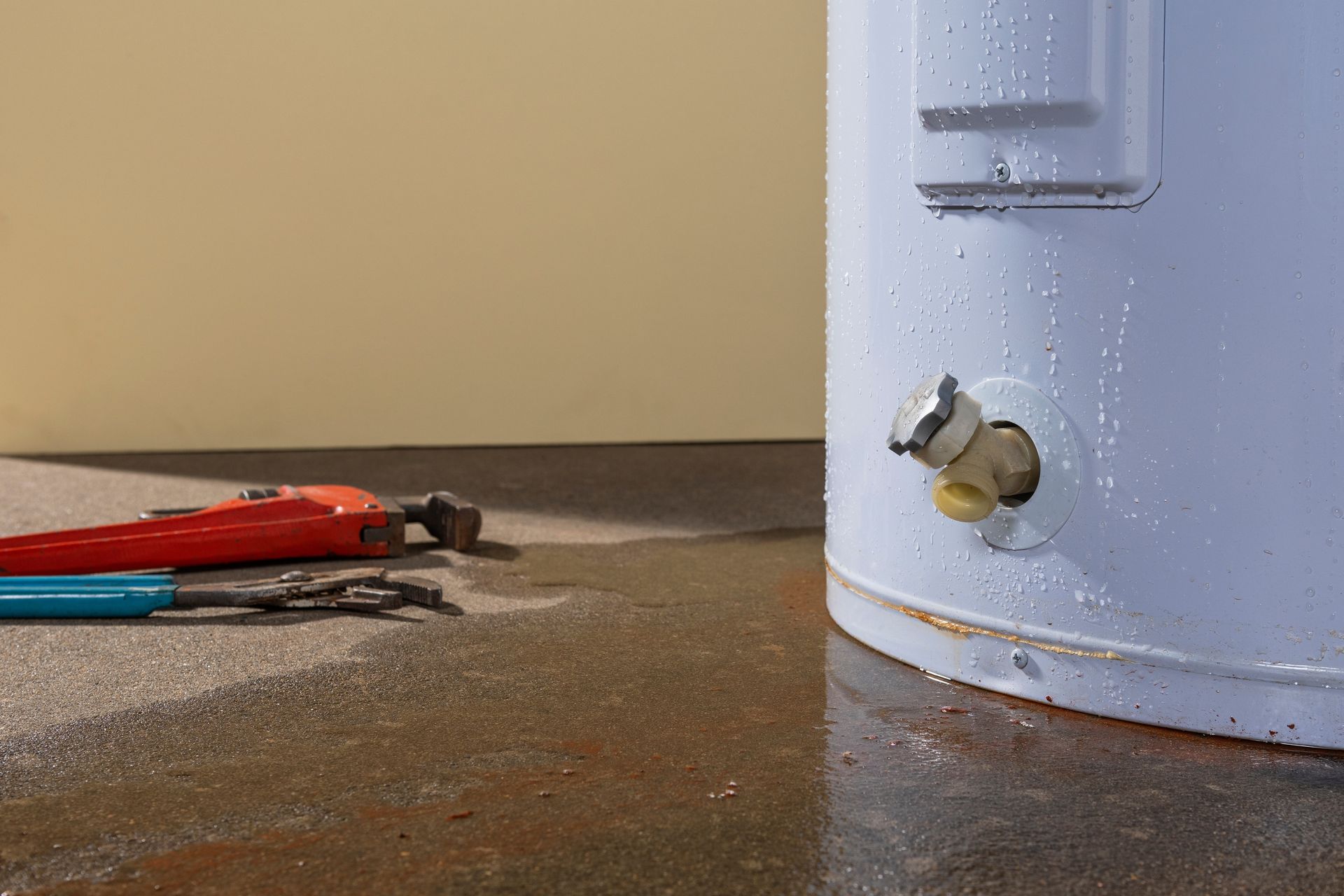
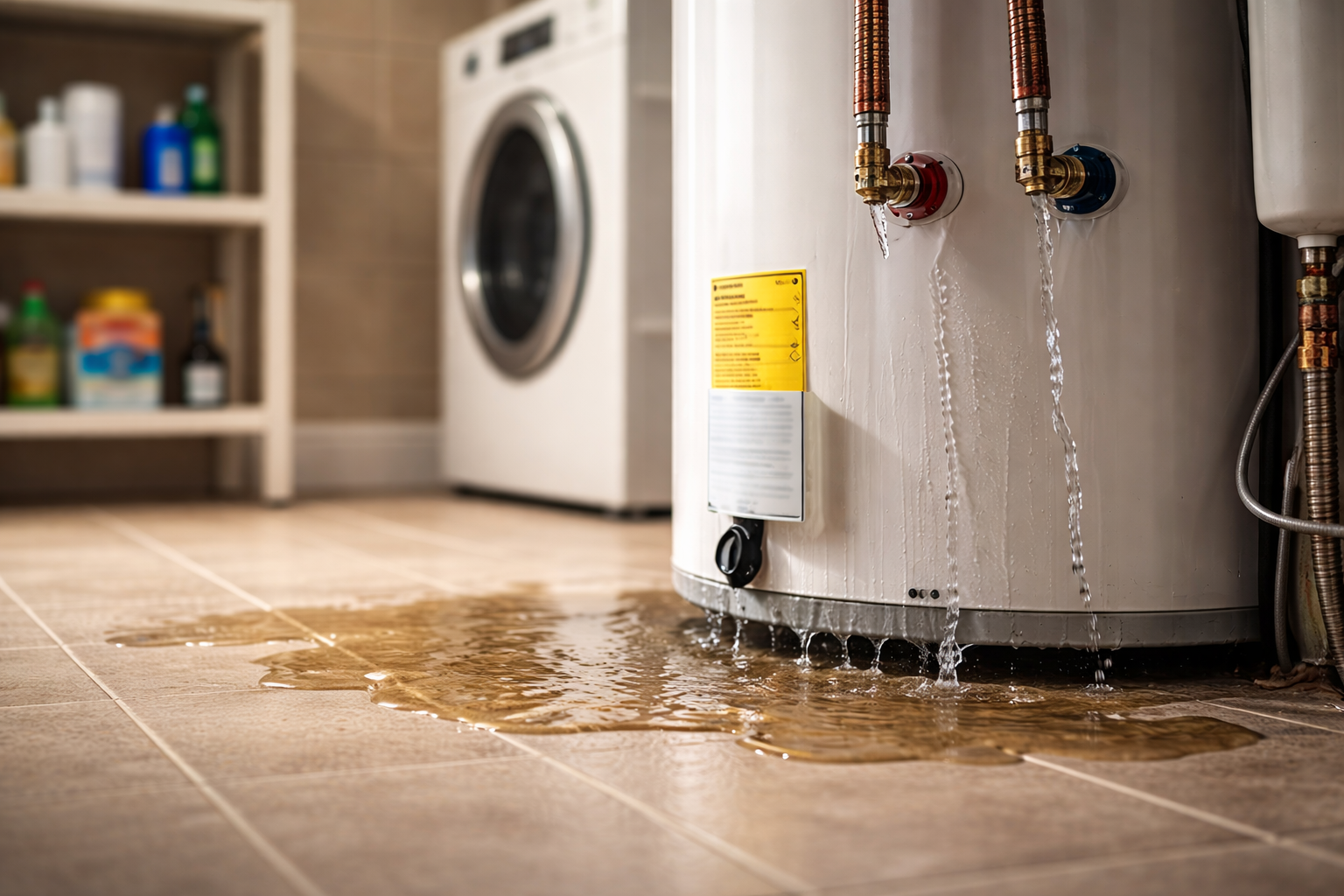
Check under sinks, around water heaters, behind toilets, and near appliances for signs of moisture or corrosion.
3. Document Any Damage
Take photos of visible stains, moisture, or damaged materials. This documentation may be helpful if repairs become more extensive.
4. Schedule Professional Leak Detection
Many leaks occur in areas that aren't easily accessible. Professional plumbers use specialized equipment to locate hidden leaks quickly and accurately without unnecessary damage to your home.
When a Plumbing Leak Becomes an Emergency
Some leaks require immediate attention.
Call a professional plumber right away if you experience:
- Water actively flowing from walls or ceilings
- Sudden loss of water pressure
- Standing water inside the home
- Water near electrical components
- Signs of foundation or structural damage
Delaying repairs can dramatically increase restoration costs and create safety concerns for your family.
How to Help Prevent Future Plumbing Leaks
While not every leak can be prevented, homeowners can reduce their risk with proactive maintenance.
Consider these preventative steps:
- Schedule regular plumbing inspections
- Replace aging supply lines
- Monitor water pressure levels
- Address minor drips immediately
- Insulate exposed pipes
- Watch for signs of corrosion
Catching small problems early is almost always less expensive than dealing with major water damage later.
Don't Let a Small Leak Become a Major Repair
A plumbing leak rarely fixes itself. What seems like a small drip today can lead to mold growth, structural damage, higher utility bills, and expensive repairs tomorrow.
The sooner a leak is identified and repaired, the easier and more affordable the solution usually is.
If you suspect a plumbing leak anywhere in your Olive Branch home, now is the time to have it professionally inspected before minor damage turns into a major problem.
📞 Contact Olive Branch Plumbing Co. today at 662-443-4375 for professional leak detection and plumbing repair services you can trust.
Frequently Asked Questions
How do I know if I have a hidden plumbing leak?
Common signs include higher water bills, musty odors, water stains, damp flooring, mold growth, and unexplained decreases in water pressure.
Can a small plumbing leak really cause major damage?
Yes. Even slow leaks can cause significant water damage over time, leading to mold growth, wood rot, damaged drywall, and structural issues.
Will homeowners insurance cover water damage from a leak?
Coverage varies depending on the cause of the leak and your policy. Sudden plumbing failures are often covered, while long-term neglected leaks may not be. Check with your insurance provider for details.
How much does leak detection cost?
The cost depends on the location and complexity of the leak. Contact Olive Branch Plumbing Co. for an inspection and estimate tailored to your situation.
Should I repair a small leak right away?
Absolutely. Small leaks are typically less expensive to repair than major water damage caused by delaying repairs. Early intervention often saves homeowners significant money in the long run.